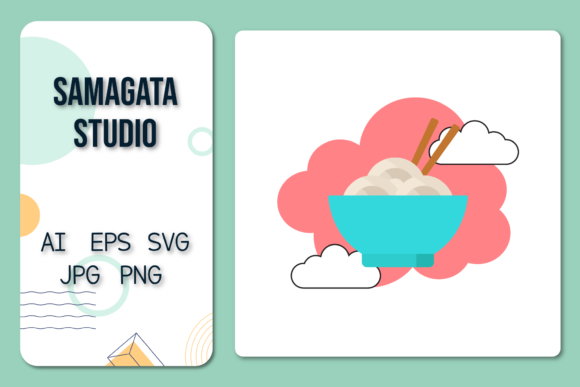
Food Icon Design Illustration: A Versatile Graphic for Handmade Businesses
If you're a crafter or small business owner who loves to create unique, print-ready designs for your handmade products, then the Food Icon Design Illustration is definitely one graphic design asset you should consider. As someone who regularly uses vector graphics in my Cricut and Silhouette projects for Etsy and local markets, I always look for assets that are not only visually appealing but also technically sound for real-world crafting. This Food Icon Design Illustration ticks both boxes.
Aesthetic First Impressions and Branding Potential
The first thing that struck me about this illustration was its clean and versatile style. The icons have a soft, slightly whimsical feel—perfect for those of us who want our designs to appeal to a broad audience without leaning too heavily into any one aesthetic. They don’t scream “playful” like some cartoonish clipart might, nor do they feel overly formal like a stock illustration. Instead, they sit comfortably in a space between cute and elegant, making them ideal for a wide range of handmade goods from gift tags to tumbler wraps.
This makes the Food Icon Design Illustration especially attractive for businesses targeting food lovers, home cooks, café enthusiasts, or even those selling kitchen-themed items like aprons, mugs, and planners. If you’re building a brand around cozy, relatable themes, these graphics can help establish that mood quickly and effectively.
Where This Asset Shines in Real Crafting Projects
Here’s where I’ve found the Food Icon Design Illustration to be most useful:
- Cricut Projects: These vector files work beautifully on large cut mats. Whether I’m designing a set of stickers or planner inserts with food motifs, the clarity and scalability of the SVG format make it easy to adjust the size while keeping all the details intact.
- Silhouette Projects: Like with Cricut, the lines are smooth and editable, which is essential when creating custom vinyl decals for windows, tumblers, or packaging.
- Printable Designs: The PNG version included in the freebie package has great transparency and resolution. It looks fantastic when printed on cardstock for DIY thank-you cards or used as decorative accents in scrapbooking layouts.
- T-Shirt and Mug Designs: When paired with the right font (I recommend a modern sans-serif or a soft script), these icons add a personal touch to apparel and drinkware. They work well as standalone prints or part of a larger design bundle.
- Product Mockups: For digital shops or print-on-demand setups, using this design in mockups gives customers a clear idea of how the final product will look. The detail level is just enough to appear professional without being overwhelming.
- Handmade Shop Collections: If you're putting together seasonal collections, such as holiday cookies or breakfast-themed bundles, these illustrations fit seamlessly into cohesive design sets.
Use Cases to Avoid or Handle Carefully
While this graphic design asset is incredibly flexible, there are a few situations where it may not perform as expected:
- Very Small Cutting Details: Some of the finer elements in the Food Icon Design Illustration can get lost when scaled down. If you're planning to use them in tiny stickers or layered vinyl projects, it's best to simplify the layout before cutting.
- Thin Lines and Crowded Compositions: If your design includes multiple overlapping icons or intricate patterns, you may need to test how they interact on different materials. Thin lines can sometimes cause issues with heat presses or sublimation printers if not properly outlined.
- Low-Contrast Color Schemes: While the default colors are vibrant and readable, if you plan to recolor the icons for dark backgrounds or muted tones, be sure to preview them thoroughly. Lack of contrast could affect visibility on darker products or fabrics.
- Small Sticker Sizes: If you're making mini stickers for labels or packaging, the original design may be too detailed. Consider resizing or editing the file to keep the shapes bold and recognizable at smaller scales.
Practical Tips for Using the Food Icon Design Illustration
Before jumping into production, here are some key steps I take when incorporating new design assets into my workflow:
- Test the File: Always open the SVG in your preferred design software (Cricut Design Space, Silhouette Studio, etc.) and check for clean lines and no overlapping paths. This ensures accurate cuts every time.
- Preview PNG Transparency: If you're working with PNGs for digital downloads or printable items, zoom in to see how the transparency looks on white and colored backgrounds. Sometimes subtle shadows or effects can bleed through unexpectedly.
- Confirm Resolution for Sublimation: For sublimation projects, make sure the PNG has a high enough resolution (at least 600dpi) to avoid pixelation after heat transfer.
- Test Colors Before Printing: Especially if you’re re-coloring the icon set, print a sample on your chosen material to ensure the colors match your vision and maintain legibility.
- Check How It Looks on Dark Products: Place the design on a black mug or tote bag to see if it still stands out. Adjust stroke weights or background layers if needed.
- Place on Real Mockups: Use tools like Canva or Photoshop to place the design on actual product images. This helps visualize the final outcome and spot any sizing or placement issues early.
- Resize for Different Products: Don’t assume the same size will work across all items. Test how the design looks on a 4x4 inch sticker versus an 11x14 inch wall art print.
- Simplify the Layout if Needed: Depending on your project, removing unnecessary details can make the design more impactful and easier to produce.
- Pair with the Right Fonts: The Food Icon Design Illustration works well with a variety of typefaces. Try pairing it with a handwritten font for a warm, personal look or a serif font for a more classic, premium vibe.
- Confirm Commercial Licensing: Since this is a freebie, always double-check the license terms. Make sure it allows for commercial use if you're planning to sell finished products or digital downloads.
Why This Is a Great Addition to Your Craft Library
In the world of handmade product creation, having reliable design assets is crucial. The Food Icon Design Illustration offers a nice balance of creativity and usability. It doesn’t require heavy customization to become a standout element in your designs. Just drop it into a layout, tweak the colors, and you're good to go.
For Etsy sellers and creative entrepreneurs, this kind of ready-to-use graphic is a game-changer. It saves time during busy seasons and helps maintain consistency across product lines. Plus, since it’s a freebie, it’s a cost-effective way to expand your design options without sacrificing quality.
I've used similar icons in past design bundles for craft fairs and online shops, and they always bring a sense of charm and familiarity to the products. That's what makes them so valuable—they connect with buyers on an emotional level while supporting your handmade business goals.
Final Thoughts for Crafters and Print Creators
The Food Icon Design Illustration is a solid graphic design asset for anyone involved in crafting, whether you're making personalized gifts, seasonal decor, or building a brand around food-related themes. Its versatility means it can adapt to many styles and mediums, from digital printables to physical stickers and embroidered patches.
What I appreciate most is how it feels authentic—not just another generic clipart file. It brings a sense of warmth and relatability to my handmade shop, and that’s exactly what customers respond to. When your designs feel thoughtful and intentional, it shows in your products and builds trust with your audience.
So if you're looking to add something fresh to your next collection of t-shirts, mugs, or planner pages, give this Food Icon Design Illustration a try. Just remember to test it out first, especially if you're planning to scale it up or down significantly. And always verify licensing if you're using it for customer orders or commercial products.
With the right approach, this graphic can become a staple in your design toolkit—and maybe even a signature element in your handmade business branding.