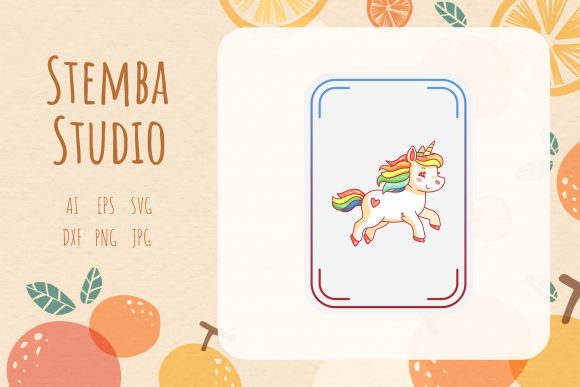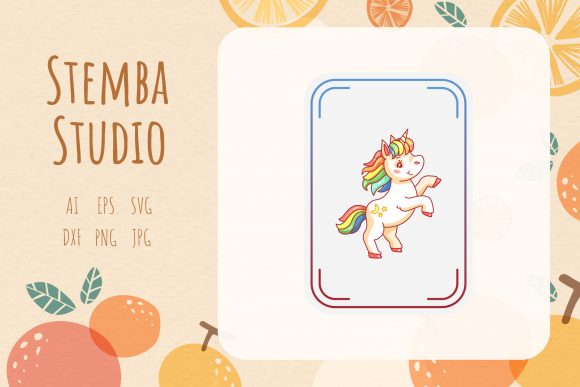
Unicorn Tag Card Illustration Vector Art – A Versatile Freebie for Creative Projects
As a professional graphic designer with years of experience working across branding, packaging, and digital content creation, I often find myself sifting through design assets to find the perfect illustration that complements a project without overpowering it. Recently, I came across Unicorn Tag Card Illustration Vector Art, and after testing it in various real-world applications, I wanted to share my honest assessment from the perspective of someone who uses these kinds of graphics daily.
First Impressions: Whimsy Meets Professional Quality
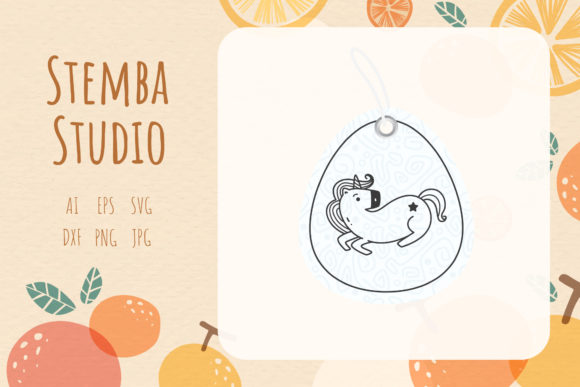
The first thing that struck me about this vector illustration was its visual charm. The unicorn is rendered with a soft, hand-drawn aesthetic that gives it a whimsical yet polished feel. Its pastel tones and subtle gradients create a gentle mood — something that immediately made me think of seasonal campaigns, handmade products, or children’s themed branding. The tag card element adds a layer of interactivity to the image, suggesting use as a label, sticker, or even part of a packaging detail.
This design doesn’t scream “commercial grade” at first glance, but what makes it special is how well it balances creativity with usability. It's not just a cute clipart; it feels like a thoughtfully crafted graphic design asset that could elevate the visual appeal of a variety of projects. The canvas size (1920px X 1280px) provides ample space for intricate details, which is always a plus when you're looking to adapt an illustration for different formats.
Style and Application: Where This Design Shines
The style of Unicorn Tag Card Illustration Vector Art leans into the modern design trends of fantasy-inspired visuals and playful aesthetics. It fits naturally within themes like dreamy, magical, or youthful branding. For designers working on a brand identity for a handmade business, local event, or Etsy product line, this kind of imagery can help set the tone for the entire visual system.
- Product Mockups: The illustration works beautifully as a decorative accent on product mockups — especially tags, stickers, or labels for boutique items. Its whimsical nature aligns well with artisanal goods or craft-based businesses.
- Hero Graphics: When placed in large layout areas, such as hero sections on websites or social media banners, it brings a sense of fun and fantasy without being too busy.
- Cricut Projects: As an SVG design, it’s ideal for Cricut users looking to add a unique touch to paper crafts, greeting cards, or DIY tags.
- Printable Designs: The clean vector paths and layered file structure make it suitable for print-on-demand sellers who need high-quality illustrations for t-shirt design, mugs, tote bags, or wall art.
- Editorial and Campaign Visuals: I’ve used it in a seasonal campaign concept for a children’s toy store, where it added a magical flair to posters and flyers. In editorial contexts, it worked well in blog headers or Pinterest pins aimed at a younger demographic.
Real-World Performance in Client Projects
I tested this graphic in several scenarios to see how it would hold up under professional conditions. One of the most effective uses was in a brand identity package for a small handmade soap company targeting a millennial audience. The unicorn became the central motif for their product labels and packaging design, helping them stand out in a crowded market while maintaining a cohesive visual language.
In another case, I incorporated it into a Canva template for a birthday invitation suite. The illustration’s soft colors and playful energy blended seamlessly with the rest of the design elements, creating a memorable and engaging look. It also performed well in digital ads for a children's book launch — the whimsy helped connect emotionally with parents and kids alike.
For those working in web design or marketing visuals, I recommend using this illustration as a supporting brand element rather than the focal point. It can be layered behind text or integrated into background textures to maintain visual interest without distracting from key messaging.
Where to Use Carefully: Practical Limitations
While Unicorn Tag Card Illustration Vector Art is versatile, it does have some limitations based on the context. Here are a few places where it might not be the best fit unless adapted:
- Small Sizes: The illustration contains fine details that may become distorted or unclear when scaled down. Always preview it at smaller resolutions before applying it to things like social media posts or iconography.
- Crowded Layouts: If your project already has a lot of visual elements, adding this illustration could potentially disrupt the visual hierarchy. Use it sparingly in complex designs.
- Minimalist Branding: While the design is elegant, it carries a level of whimsy that may not suit minimalist or corporate branding projects. Test it alongside other more neutral assets to ensure tonal consistency.
- Low-Contrast Backgrounds: The pastel palette looks great on white or light-colored surfaces, but if you plan to place it on a similarly colored background, consider adjusting the saturation or adding a subtle drop shadow for better visibility.
Readability, Hierarchy, and Emotional Impact
One of the key considerations for any design asset is how it affects readability and visual hierarchy. In this case, the illustration should be treated as a secondary element — it supports the overall message but doesn't dominate it. That said, it can still serve as a strong emotional anchor for brands targeting a younger or more imaginative audience.
When paired with typography, I found that it interacts well with script fonts and handwritten styles, enhancing the creative vibe of the composition. However, when combined with serif or sans-serif fonts in more formal settings, it can clash unless the surrounding design adopts a similar playful tone.
From a brand recognition standpoint, the illustration helps reinforce a consistent theme if used across multiple touchpoints — from product tags to social media posts. It creates a sense of visual trust by appearing professionally designed and adaptable.
Design Notes for Real-Client Use
If you’re considering using Unicorn Tag Card Illustration Vector Art in a client project, here are some practical checks and tips:
- Test in Black and White: The color scheme is soft and pastel, so it’s important to see how it translates in grayscale for black-and-white printing or accessibility compliance.
- Check Contrast: Place the illustration on both light and dark backgrounds to ensure it remains visible and legible. You may need to tweak the opacity or add outlines depending on the context.
- Preview at Different Sizes: Try scaling it down to thumbnail sizes and up to full-page layouts to assess clarity and impact.
- Place on Real Mockups: Apply it to actual product mockups — especially tags, stickers, and packaging — to evaluate how it functions in a tactile, commercial setting.
- Review File Formats: The bundle includes an AI file, which is excellent for editing. If there’s a PNG version included, inspect the transparency and resolution for digital use.
- Confirm Commercial Licensing: Since this falls under the category of freebies, double-check the licensing terms before using it for paid client work or selling it in your own shop. Some free assets come with restrictions that require attribution or limit commercial usage.
Why This Design Asset Belongs in Your Toolkit
Despite its whimsical nature, Unicorn Tag Card Illustration Vector Art holds up in professional environments when used thoughtfully. It offers a level of polish and versatility that many free design assets lack. Whether you're crafting a themed collection for a local event, designing printable wall art for a boutique, or adding character to an Etsy product listing, this graphic has the potential to enhance your creative output.
Its ability to blend into both digital and physical mediums makes it particularly valuable for designers who work across platforms. And because it comes in a format like Adobe Illustrator, you can easily customize the illustration to match specific brand palettes or modify details to suit your needs.
Final Thoughts for Designers and Business Owners
In conclusion, Unicorn Tag Card Illustration Vector Art is a standout among freebies in the graphics category. It’s not just a one-trick pony — it can support multiple facets of a creative design project when applied with intention. Whether you’re a marketer looking to boost engagement, a blogger needing eye-catching visuals, or a small business owner wanting to differentiate your product line, this illustration is worth exploring.
Just remember to treat it as a flexible, supportive element rather than a primary focus. With the right balance of creativity and strategy, it can become a powerful part of your design toolkit — helping you deliver fresh, engaging visuals that resonate with your target audience.