Vector Shell Card Illustration Design: A Practical Review for Real Projects
As a designer and embroidery product reviewer with years of hands-on experience, I always look for digital files that not only capture the eye but also translate well into stitched form. The Vector Shell Card Illustration Design is one such asset that immediately stood out in its presentation and potential. It’s categorized as a Freebie, but it carries the polish and professionalism usually reserved for premium graphics.
First Impressions and Visual Personality
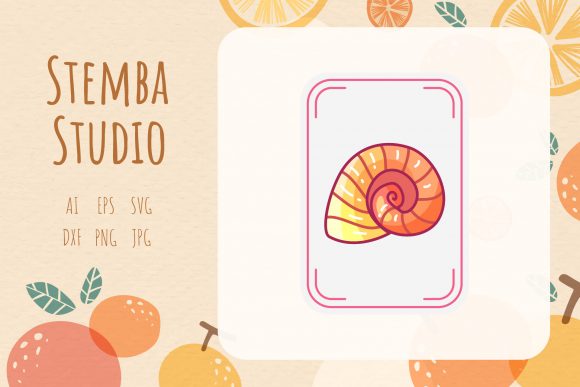
Opening the design in my preferred software, the first thing that caught my attention was its elegant composition. The shell motif is clean, stylized, and has just the right amount of detail to feel special without being overwhelming. The vector lines are crisp, and the overall layout suggests a focus on simplicity and natural beauty—perfect for projects where you want to evoke a coastal or nautical vibe.
The theme feels versatile enough to work across multiple product types, from custom apparel to handmade gifts. It’s not too bold, nor too subtle; instead, it strikes a balance that allows it to blend seamlessly with both minimalist and more decorative styles. The colors are soft and nature-inspired, which makes it ideal for creating a warm, inviting aesthetic.
Where This Design Naturally Fits
- Personalized gifts: Think embroidered baby cards, holiday tags, or nursery wall art.
- Boutique branding: The design could be used subtly on aprons, tote bags, or even embroidered patches for a small shop's logo.
- Custom apparel: Especially when paired with other complementary motifs, this design can add a touch of charm to sweatshirts, t-shirts, or even caps.
- Commercial embroidery assets: For Etsy sellers or craft businesses looking to offer seasonal or themed items, this graphic provides a reliable base.
Real-World Embroidery Performance
I decided to test the Vector Shell Card Illustration Design on a real project—a custom sweatshirt embroidery for a boutique specializing in beach-themed childrenswear. The canvas size is generous at 1920px X 1280px, so scaling wasn’t an issue. I resized the design to fit within a standard hoop size while maintaining clarity in the details.
When stitched, the shell retained its visual character, with smooth curves and defined edges. The use of fill stitch and satin stitch gave it a polished appearance, and the color choices worked well against a light denim background. Customers were instantly drawn to the design’s warmth and authenticity—it felt like a hand-drawn illustration brought to life through embroidery.
Projects That Work Best
- Embroidered patches: Its shape is compact and well-suited for patchwork on jackets, backpacks, or denim accessories.
- Tote bag designs: As a central feature or part of a larger pattern, it adds visual interest without becoming cluttered.
- Tea towels and pillow covers: The gentle tones and simple lines make it a good match for home décor items that need to feel cozy and inviting.
- Holiday gifts: With minimal adjustments, it could become part of a Christmas card or ornament design.
- Printable mockups: As a digital asset, it works beautifully in preview templates for online shops or social media promotions.
Design Considerations for Stitching
While the Vector Shell Card Illustration Design is impressive, there are a few practical aspects every embroiderer should consider before using it in production:
- Small hoop sizes: The design includes delicate elements that may lose their impact if scaled down too much. Always check the smallest viable hoop size before finalizing your project.
- Fabric texture: Smooth cotton blends will showcase the design best. Textured fabrics like linen or stretchy knits might distort fine lines or affect stitch clarity.
- Thread contrast: Soft pastel thread colors work well, but if your fabric is dark or patterned, you’ll need to choose threads that provide enough visibility.
- Stabilizer requirements: Because of its detailed areas, a cutaway stabilizer is recommended for stretchy or thin materials to prevent puckering.
- Density and coverage: Be sure to review the stitch density settings. Some sections may require slight adjustment to avoid stiffness or excessive bulk, especially if layering over other elements.
What Works Less Well
Though the design is generally well-balanced, there are specific scenarios where caution is needed:
- Projects involving curved surfaces, like caps or curved seams, may cause the shell to appear stretched unless properly adjusted.
- On dark fabric backgrounds, the soft colors may not pop as intended. Consider adding a white outline or using metallic threads for better visibility.
- If you're working on handmade products with intricate corners or tiny lettering (if included), ensure your machine can handle the finer details accurately.
- Products that undergo frequent washing—like baby clothes or kitchen towels—should be tested for durability and colorfastness.
Impact on Product Value and Customer Appeal
Incorporating the Vector Shell Card Illustration Design into a finished product elevates its visual appeal significantly. Clients and customers tend to respond positively to designs that feel thoughtful and intentional, and this one definitely hits that mark. Whether you're creating a personalized gift or a line of small shop products, the design brings a sense of quality and uniqueness that enhances the perceived value of your item.
From a branding perspective, it offers consistency in style and tone, especially for those running a craft business or selling through platforms like Etsy. Its neutral palette means it can be adapted easily to reflect different seasons or themes, making it a strong addition to your design assets library.
Customer Trust and Giftability
Handmade products often rely on emotional resonance to connect with buyers. The Vector Shell Card Illustration Design taps into that by evoking nostalgia and a sense of care. It’s the kind of design that feels personal yet professional—ideal for personalized gifts or holiday embroidery.
Customers trust brands that deliver consistent, high-quality visuals. When this design is stitched correctly, it contributes to a cohesive brand identity and helps your products stand out in crowded markets like craft fairs or online marketplaces.
Designer Notes and Best Practices
Here are some tips to help you get the most out of this design:
- Test on scrap fabric before stitching on a final piece. Fabric behavior can vary, and seeing how the design reacts in real conditions is key.
- Use black and white mockups to evaluate contrast and visibility, especially if you’re considering printing the design digitally alongside embroidery.
- Review stitch directions carefully. While the file appears to be well-prepared, individual machines may interpret certain stitches differently.
- Confirm licensing terms if you plan to use the design for commercial purposes. Though it’s labeled as a freebie, always double-check usage rights before selling finished goods or digital downloads.
- Consider using it as a running stitch element for borders or accents rather than a full fill, depending on the garment or fabric thickness.
Final Thoughts
The Vector Shell Card Illustration Design isn’t just another pretty graphic—it’s a solid choice for designers who value usability, adaptability, and visual harmony. It performs well in many embroidery contexts, but it’s important to approach it with a clear understanding of your materials, machine capabilities, and end-use goals.
Whether you're an embroidery designer building a new collection, an Etsy seller crafting seasonal items, or a hobbyist testing your latest machine embroidery design, this illustration brings something meaningful to the table. Just remember to tailor your execution based on the specifics of each project. With the right preparation and attention to detail, it can become a trusted part of your creative toolkit.